What’s in the article:
-
How shippers are using technology
-
Rethinking LTL freight management
-
A solution to LTL challenges
Transportation rates have been rising over the last couple of years due to factors like the driver shortage, lack of equipment, a capacity crunch, and rising fuel costs. With eCommerce order volumes and consumer demands high and continuing to rise, shippers have turned to LTL freight in lieu of truckload to meet these needs.
So, to learn more about these challenges and how companies are addressing rate increases, capacity restraints, and other issues, we sponsored a survey. Here’s what we learned.
LTL Rates Continue to Increase
Although LTL rates have been rising over the last couple of years, 81% of surveyed companies saw their LTL contract rates increase between 2021 and 2022. More than 67% of those surveyed experienced LTL cost increases of 5-14%. And 66.7% of surveyed shippers anticipate further increases between now and 2023, with nearly half of respondents expecting rate increases of 5-9% next year. Many shippers believe these additional rate increases will be driven by issues like rising fuel costs, labor costs, capacity constraints, economic inflation, and driver shortage.
Shippers Are Leveraging Technology
Shippers continue to use technology to navigate the complexities of today’s overburdened global supply chain. Leveraging a transportation management system (TMS) enables shippers to manage their shipping and other related tasks. These activities include viewing current capacity and spot rates based on LTL shipment volume, sourcing quotes, and tracking shipments, as well as addressing and listing products.
Surveyed shippers indicated the most desired features in a 3PL’s TMS include:
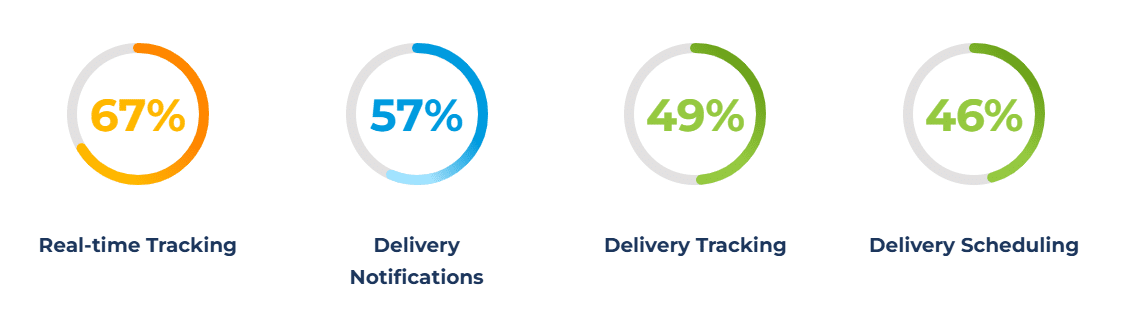
And most shippers (80.1%) indicated they are interested in accessing blanket carrier rates.
Capacity Challenges Exist
Haul lengths reported by respondents varied from 500+ miles to 100-249 miles. About half of those surveyed reported it is sometimes or always a challenge securing LTL capacity for these loads. Shippers reported their key issues when challenged with securing LTL capacity include missed appointments, trucks not showing up, carriers changing routes, and labor shortage.
When asked what LTL freight providers can do to help alleviate their main pain points in this difficult environment, survey respondents suggested things like making firm commitments, enabling good communication, showing up on time, offering better visibility, lowering rates, hiring more drivers, and providing more transparency.
Rethinking LTL Freight Management
Companies are refining their LTL freight management by hiring employees to handle this task, getting more organized, consolidating shipments, improving shipper and carrier communications, and booking shipments in advance. Others are planning ahead, working only with trusted partners, checking rates, and leveraging technology.
Another key tactic shippers are using as they rethink how they manage their LTL transportation and logistics is partnering with an LTL provider. Approximately 45% of respondents indicate they are partnering more closely with their LTL provider, while 54.8% are yet to make a move in this direction.
The respondents who have already taken steps toward this type of partnership report benefits such as:
- Better rates
- More reliability
- Service improvements
- Better communications
- Prompt pickups
- A better understanding of their business needs (on the carrier’s part)
- Increased consistency
Although 41% rely on a national partner and 35.5% work with regional partners, they desire the same partner characteristics. These include:
- Great service
- Responsiveness
- Reasonable rates
- Reliability
- Consistency
- Dependability
- Flexibility
- Accurate reporting
- On-time deliveries
Shippers are also responding to the current limitations of the supply chain by relocating their fulfillment centers closer to airports and ocean ports. According to those surveyed, they are making this move to reduce costs, add revenue, and/or support company growth. These companies report that this move is also beneficial to their customers by improving costs, services, delivery times, efficiency, and a reduction in damaged goods.
Preparing For Greater Demand
According to eMarketer, US retail eCommerce sales are expected to increase another 14.8% this year. This additional burden on an already stressed supply chain is driving the need for shippers to further increase the efficiency and effectiveness of managing their transportation needs. Our survey showed that 54.7% of respondents have already been highly or somewhat impacted by previous increases in online orders. And 33.5% have increased their use of LTL transportation to support this uptick in e-commerce deliveries.
The most significant challenges that LTL shippers are encountering now include:
- Price changes
- Surcharges
- Securing loads
- Dealing with inconsistency
- Timing of deliveries
- Getting drivers
- Lack of capacity
3PLs Are a Viable Solution
A potential solution
to these shipper obstacles is partnering with a third-party logistics (3PL) partner. 3PLs can help by offering the people, processes, and technology companies need to secure their transportation and logistics functions. This frees companies to focus on what they do best—grow their business.
3PLs with a robust TMS enables shippers to easily schedule and track deliveries and receive real-time notifications about deliveries. These shipping partners also offer blanket rates with a broad network of LTL carriers within their network, making it easier for shippers to secure LTL freight capacity with more options.
 Login
Login