Can the Halloween Supply Chain Keep Up in 2025?
Every October, costumes, candy, and yard displays transform neighborhoods into spooky spectacles. Behind the masks and decorations, supply chains race to keep shelves stocked. In 2025, consumers plan to spend more than ever on Halloween, raising the question: can the supply chain deliver treats without too many tricks?
Consumers Set New Spending Records
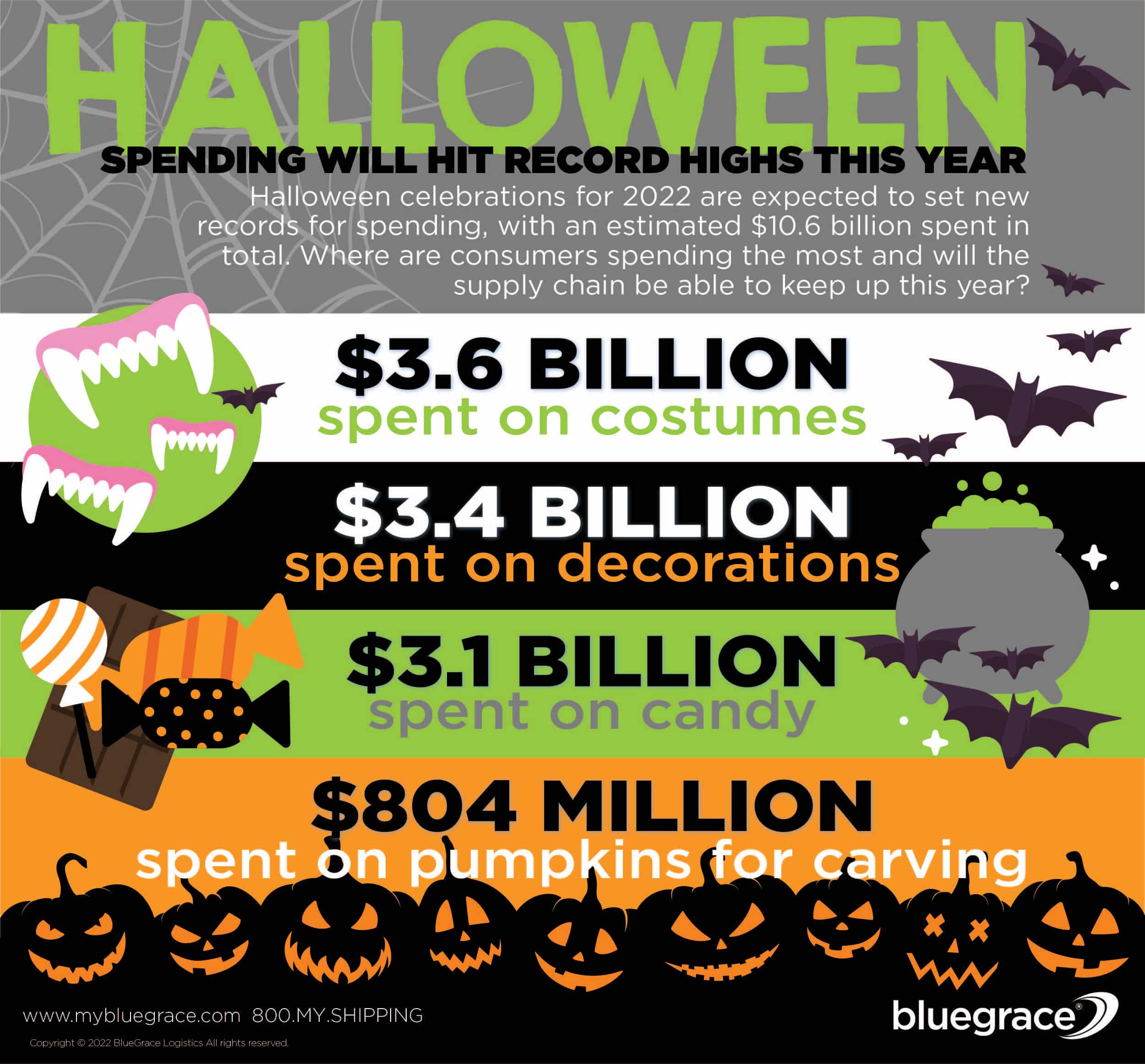
Shoppers will push Halloween spending to a record $13.1 billion this year, averaging $114.45 per person. That’s a clear jump from $11.6 billion in 2024.
Here’s where consumers plan to spend the most:
- Costumes: $4.3 billion
- Decorations: $4.2 billion
- Candy: $3.9 billion
- Greeting cards: $0.7 billion
Nearly half of consumers start their Halloween shopping by September. They flock to discount retailers, specialty Halloween shops, and online platforms to grab their spooky essentials.
Why Seasonal Demand Requires Early Supply Chain Planning
Halloween may only last one day, but preparing for it takes months. Retailers begin forecasting demand well before the season starts, using historical sales data, consumer trends, and inventory analytics to determine how much product to order and where it should be positioned. Because costumes, decorations, and candy have limited selling windows, inaccurate forecasts can result in excess inventory or costly stockouts.
Transportation planning is just as important. Manufacturers, distributors, and retailers must coordinate production schedules, secure transportation capacity, and position inventory closer to consumers before demand peaks. Delays at any point in the supply chain can leave shelves empty during one of the busiest shopping periods of the year.
Companies that plan early are better equipped to respond to shifting consumer demand, replenish inventory quickly, and maintain service levels throughout the Halloween season.
Supply Chain Pressures Shift in 2025
In 2022, supply chain bottlenecks at ports, container shortages, and pandemic-driven labor gaps haunted Halloween. By 2025, those issues have eased, but new challenges shape the season.
- Candy costs rise: Cocoa supplies in West Africa struggle with climate change and disease. Chocolate prices climb, and shippers must tightly control temperature to keep candy intact.
- Demand fluctuates: Consumers spend more but hunt for value, forcing retailers to balance high demand with tighter margins.
- Decorations grow larger: Shoppers demand bigger, flashier displays. Iconic items like Home Depot’s “Skelly” skeleton sell out almost instantly.
Retailers and Manufacturers Respond
To win this Halloween season, retailers and manufacturers act with speed and precision. The leaders:
- Launch earlier: Introduce products in midsummer to spread demand and allow time for replenishment.
- Track inventory in real time: Shift stock across regions and channels to match demand.
- Diversify suppliers: Reduce risk by spreading sourcing across multiple geographies.
- Protect candy shipments: Use strict temperature control to prevent chocolate from spoiling in transit.
- Offer variety: Deliver good, better, and premium product tiers to capture all budgets.
- Promote deals early: Drive early sales to smooth demand spikes and avoid last-minute shortages.
- Stay agile across channels: Use ship-from-store, online fulfillment, and curbside pickup to keep goods flowing.
Halloween 2025: More Treats Than Tricks
Consumers show no signs of pulling back this spooky season. They plan to spend more than ever, creating both opportunity and risk. Rising input costs, shifting demand, and a taste for novelty put pressure on supply chains, but smart planning keeps the shelves stocked.
With strong forecasting, agile supply chain practices, and creative merchandising, retailers and manufacturers can turn this record-breaking Halloween into a season full of treats for shoppers and businesses alike.
 Login
Login